
Autism: Understanding and living as an autistic person
In the collective imagination, an autistic person is someone who is calm, withdrawn, asocial and, for some, exceptionally good at…


In the collective imagination, an autistic person is someone who is calm, withdrawn, asocial and, for some, exceptionally good at…
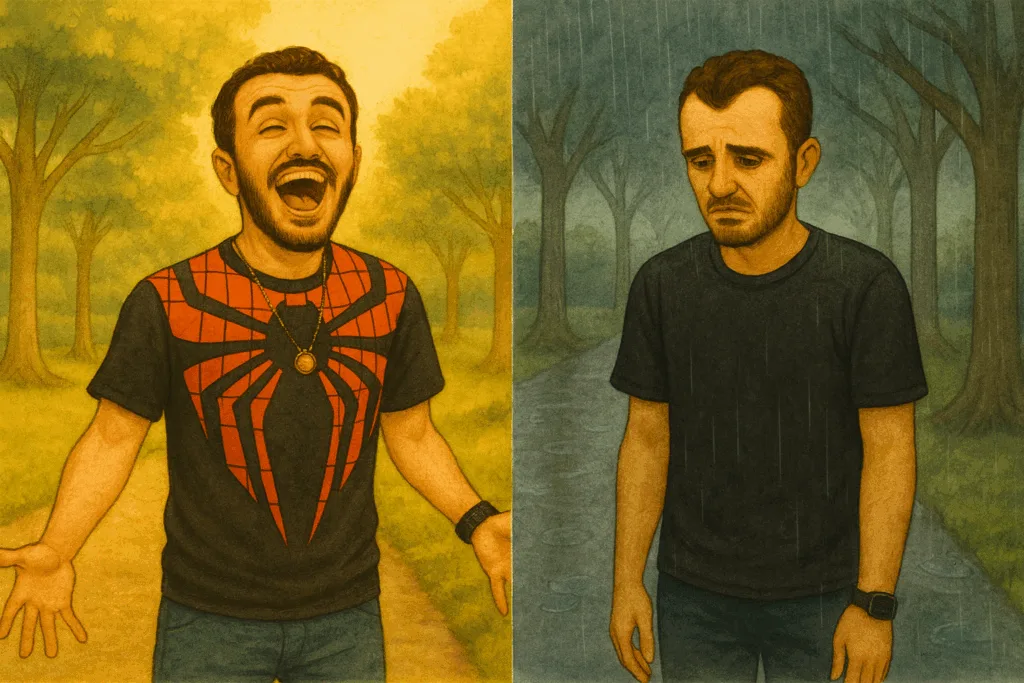
After having explored autism in detail in my previous articles, it is now time to talk about my bipolar episodes,…
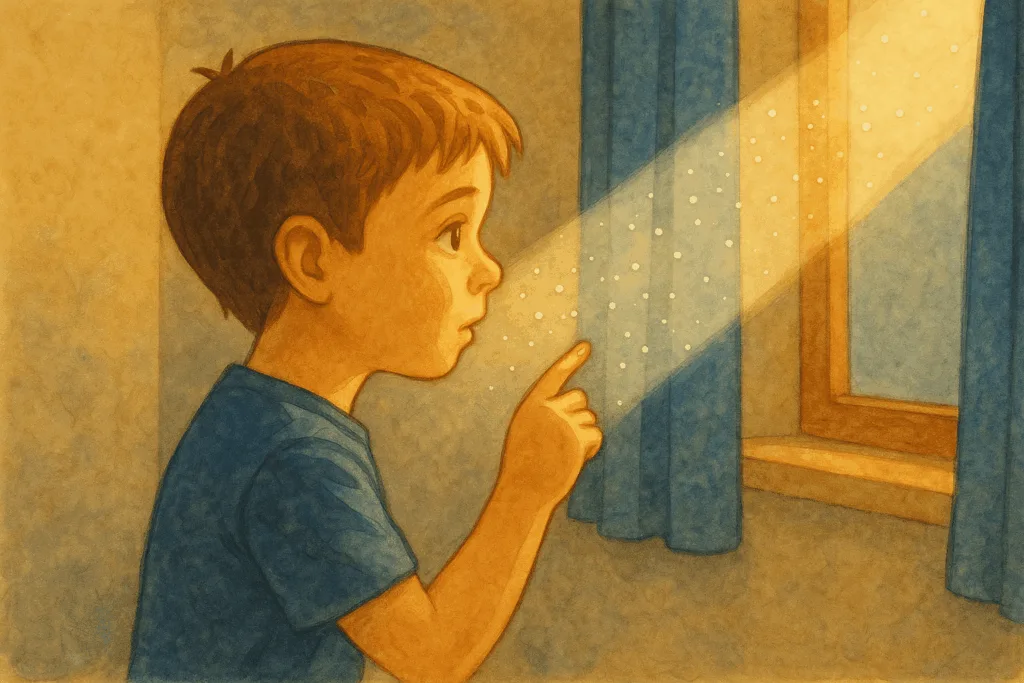
One of my oldest memories is watching tiny floating dust particles in the light of my bedroom window. That sight…
Autistic burnout, in a few words, feels like a long-term complete shutdown. It often follows sensory, emotional, or cognitive overload and usually results from extreme compensation (social masking) that has pushed the autistic person beyond their tolerance threshold. Masking is a constant daily effort, activated the moment the person is interacting or exposed in public.
If shutdown is the implosion, meltdown is the explosion. A visible, loud, and often misunderstood crisis. The stereotype of the autistic person banging their head against a wall is common. For many autistic individuals, this is a real experience — but it is not universal. Still, many autistic people experience these crises to varying degrees and frequencies. A meltdown generates an intense emotional discharge that can leave the autistic person completely drained of energy. After discussing autistic crises more broadly, this article focuses specifically on meltdowns.
Autistic crises are an integral part of life for many autistic people. After discussing them broadly in a previous article, it’s important to describe them in detail, starting with shutdowns, often described as autistic collapse or social withdrawal. A shutdown is also defined as autistic withdrawal, an involuntary response triggered by sensory or emotional overload. Yet the reality goes far beyond simple withdrawal — it is a neurological reaction in autistic individuals, designed to short-circuit an overload the brain perceives as danger.
In the collective imagination, an autistic person is someone withdrawn, exceptional at math, calm, and rocking back and forth. What many people don’t realize is that autistic individuals can also experience intense emotional outbursts (meltdowns) and internal shutdowns (shutdowns). These crises have various causes, but sensory overload is the most common trigger.
Sometimes the best fits of laughter come from pure randomness. I’m continuing my trip through Cambodia with my friends, passing through Skun — the town of fried tarantulas — and a deluxe hotel at 20 euros a night, just for the experience. These past two weeks, I’ve cried from laughing at least once a day. Goal: one daily tear-inducing laugh during these 25 days of travel.
Almost two weeks spent in Cambodia. A few autistic crises along the way, but above all a lot of laughter with my friends (sometimes to the point of crying) and discoveries I had missed during my two-month end-of-studies internship in the country back in 2017. This week was also an opportunity to reflect on a number of subjects that matter a lot to me: languages, what it really means to travel abroad when you’re completely out of your depth, and even theory of mind (spoiler alert: it was the allistic side that failed this time). A rich and introspective interlude.
It’s now been a week since I arrived in Cambodia — just as I mentioned in my first article, the day before leaving. This is actually my return to the country, where I previously completed a humanitarian internship and lived among Cambodians, fully immersed in their culture and way of life. This time, I arrived with a small group of friends. For the first few days, we chose rest mode and discovery of the capital: four days in Phnom Penh, and a scooter trip to Skuon — the town of tarantulas — about one hour away. Perfect for October (Halloween season) and for triggering gag reflexes in the faint-hearted. These interludes serve as a breath of air in my blog — and as a way of sharing an experience that is far more sensory than it first appears.
8 years after the most incredible trip of my life, I’m returning to Cambodia tomorrow — a country whose culture fascinated me, whose kindness almost unsettled me, and whose culinary experiences were endlessly delicious. Ever since planning this trip, I’ve been bringing up (partly as a running joke) the famous fried tarantulas from Skuon — undeniably one of my greatest discoveries. A few months ago, I managed to convince a few friends to choose Cambodia as our travel destination.
Recently, I went to the MDPH (French disability support and benefits office) in a region where a cyberattack had wiped out all their electronic files. The waiting room was crowded and loud. Instinctively, I put my sunglasses back on. My caseworker looked surprised, but my mother burst out laughing—she immediately understood what was happening. It was compensation. I needed to be able to hear my number being called and then hear the person at the desk. Noise-canceling headphones weren’t an option. So instead, I used my sunglasses to reduce—not the sound itself—but the overall sensory load my brain was processing.
I wrote many of the articles on this blog within just a few days. A month earlier, I had written two books in under two weeks. Before that, in March 2025, I experienced an incredibly stimulating period where I was socializing from morning to night during a ski trip. In January — the same pattern. The common thread? Each time, these were hypomanic episodes that systematically escalated into full manic episodes. After a chaotic and eventful Season 28, Season 29 isn’t starting well: in the September episode, my psychiatrist confirmed that I had entered rapid cycling.
 Florent