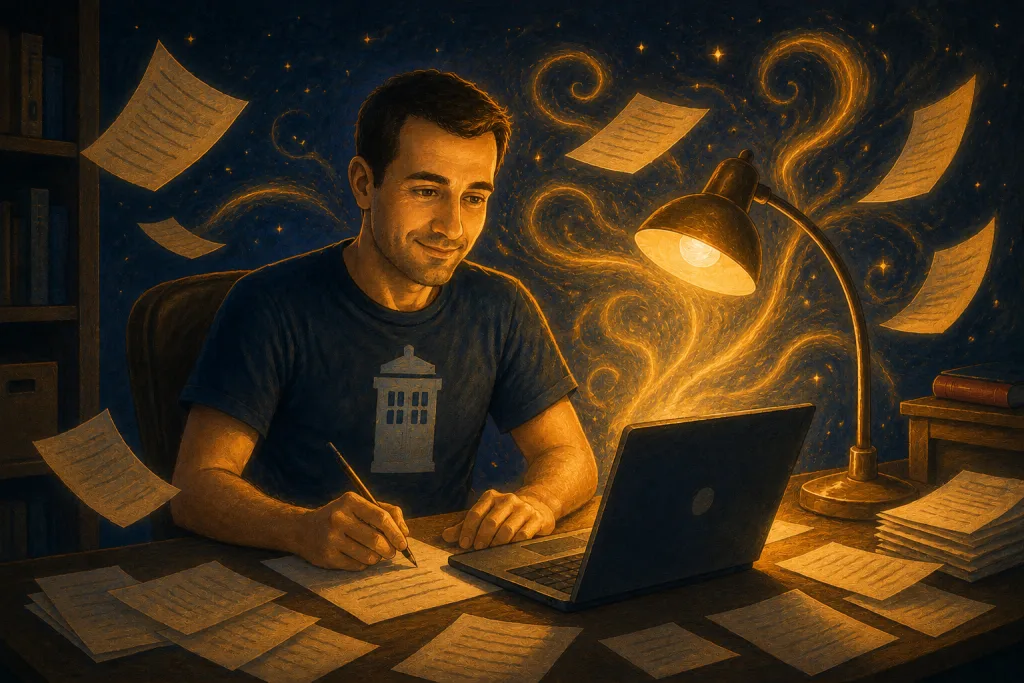
Hypomania: symptoms, lived experience, and interactions with autism
To begin my series of articles on bipolar disorder episodes, I thought about presenting them to you in chronological order,…



Chronicles of an Atypical Mind — Unfiltered and Unapologetic
Personal stories, science-based articles, and resources on autism, bipolar disorder, and atypical cognition.
To begin my series of articles on bipolar disorder episodes, I thought about presenting them to you in chronological order,…

A former friend once asked me how I perceived being in love. I replied that it was “a whole lot…
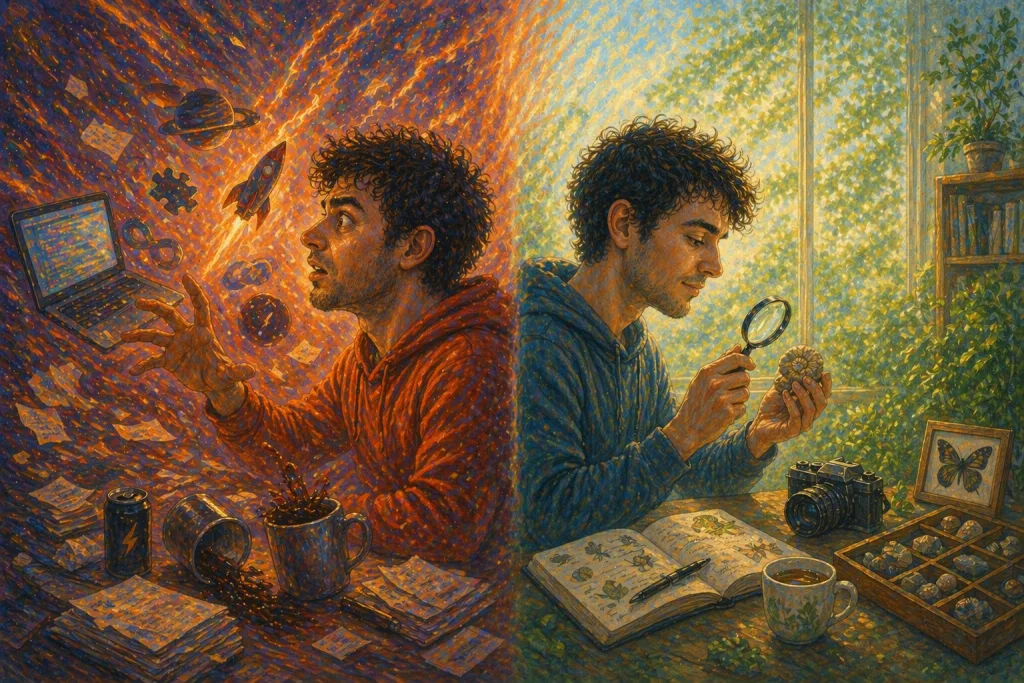
What is the difference between a manic obsession and an autistic special interest? On paper, the distinction seems simple. In…
Choose a path to dive deeper into the topics that concern you.

Autistic humour can take many different forms: wordplay, absurd humour, dark humour, irony, or the deliberate use of literalness. Many autistic people also have a particular relationship with words, which can become an important source of humour. I’m one of them. Twisting their meaning, deliberately interpreting them literally, playing with words, or letting them drift into the absurd. Others play a lot with irony, while dark humour can sometimes create a rather spectacular disconnect with the people around them. I see myself in all of these forms.
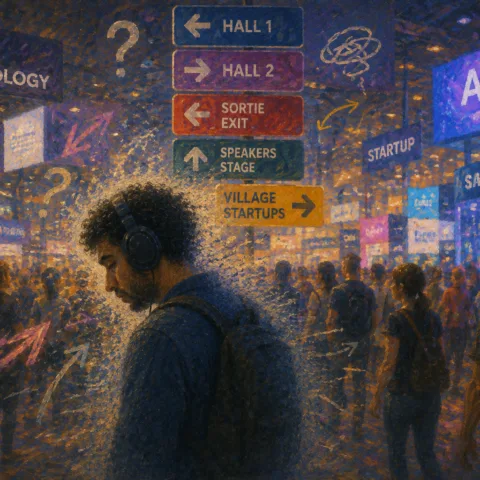
An autistic shutdown can occur when an accumulation of sensory, cognitive and social stimuli exceeds a person’s processing capacity. The brain then slows down abruptly: speaking becomes difficult, even the simplest decisions become impossible, and the body may keep moving on autopilot. In June 2026, VivaTech was held in Paris—a kind of French mini-CES. I had been looking forward to it, hoping to hand out résumés and potentially land a job. I had not counted on a massive shutdown beginning before I even entered the exhibition.
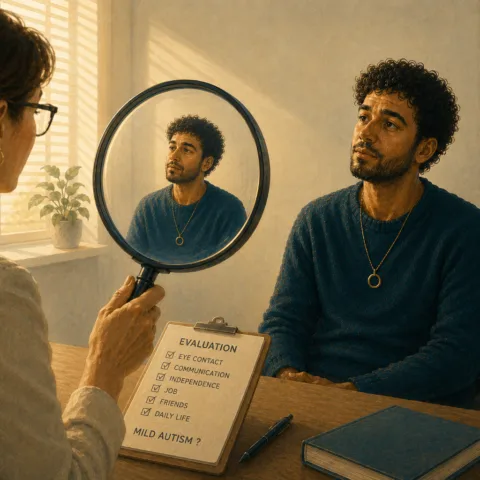
Outdated ideas about autism remain widespread, including among some professionals. Recently, a psychologist subjected me to an interrogation that dismissed my lived experience as an autistic person by comparing me with “severely” autistic people—in her own words. What she said was particularly violent. For nearly thirty minutes, she questioned my diagnosis and my experience using a very dubious line of reasoning built on a whole collection of misconceptions. I am going to examine them in this article.
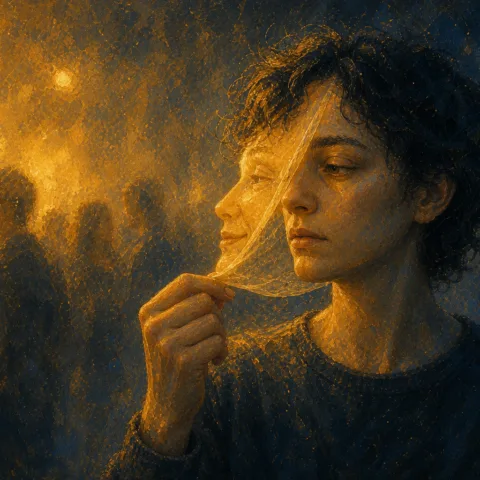
Masking, sometimes called social camouflaging, consists, for autistic people, in compensating for their difficulties across every affected area of their lives in order to blend more easily into society. In practice, it means making their difficulties—and therefore their differences—invisible. A significant number of autistic people rely on these mechanisms—plural, because there are many of them. Often from a young age. Sometimes from early childhood. That was my case.

Should you say “I’m autistic” or “I have autism spectrum disorder”? And should you say “I’m bipolar” or “I have bipolar disorder”? These questions regularly spark debate. Yet over the years, the way I talk about both has changed completely. It evolved alongside the way I came to see them. For years, I said I was bipolar. Today, I say I have bipolar disorder. A subtle but important difference. Likewise, I rarely say I have autism spectrum disorder (ASD). I’m autistic. Another subtle distinction. Behind these different ways of speaking lies a fundamentally different way of viewing two realities: a psychiatric illness and a neurodevelopmental condition. For me, this shift happened gradually and almost naturally.
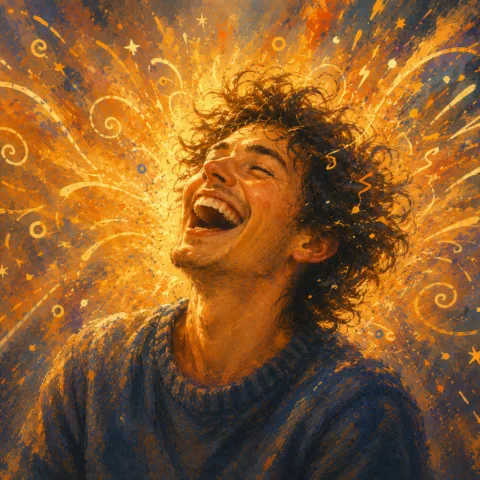
I recently wrote about humor in autism. What becomes particularly fascinating is seeing how a manic episode can transform the sense of humor of people with bipolar disorder, including those who are autistic. Mania can profoundly change behavior, including the way someone laughs and what they find funny. For some people, it brings intense euphoria, disinhibition, and racing thoughts, completely altering their perception of what is amusing. The relationship between mania and humor can therefore become especially striking.

People often told me my laugh was “strange” throughout my school years. Muffled, choppy, sometimes almost out of breath. Years later, during my autism assessment, I began to wonder whether my laughter might be atypical too. The answers I found were far more nuanced than I had imagined.
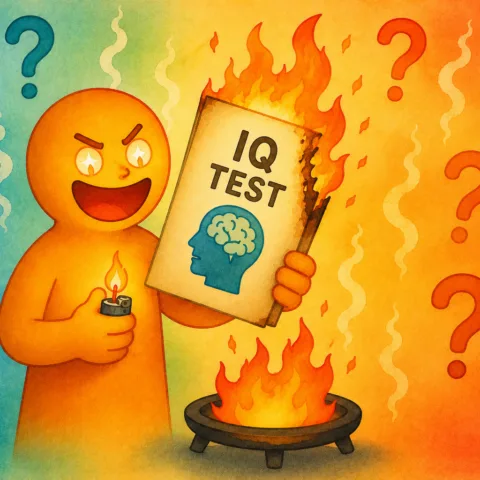
I’ve explained several times on this blog how capable I am of treating a rule like a sacred creed. One of those rules came from the countless times my father scolded me for losing important documents. “Scan it”, “How many times have I told you to scan things?”, “You’ll have to learn to scan your documents.” And countless variations of the same message eventually got through to me.

Today, more and more definitions of autistic burnout can be found online. Researchers are beginning to take an interest in it as well. Yet the question most often asked by the people experiencing it is rarely addressed: how do you recover from it? I asked myself this question after my diagnosis, and I have seen it raised countless times on social media. It therefore seemed natural to explore it in detail.
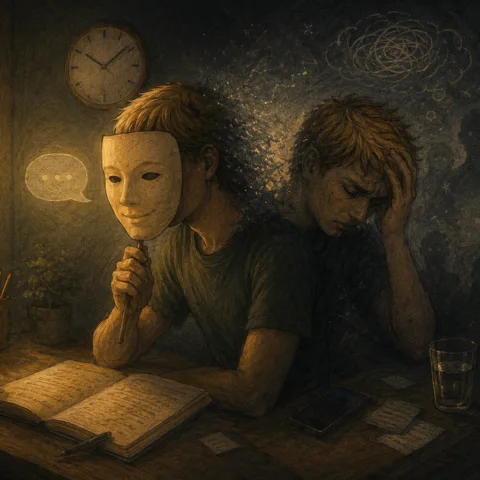
Many autistic people spend years appearing to function normally in the eyes of others. Yet this apparent normality often relies on an invisible effort: autistic masking, also known as social camouflaging. This mask can sometimes help a person adapt more easily to the outside world, but it comes with an often underestimated cost: chronic fatigue, overload, and sometimes autistic burnout. In this article, I explain what masking really is, why it appears so early for some people, and how it can eventually become a trap.