

• Français
  • English
  • bipolar

    World Bipolar Day: raising awareness in one day for something that lasts a lifetime

    Today is World Bipolar Day. And honestly, I don’t really relate to it. I’ve never changed my profile picture to add a small ribbon, I’ve never used it as an opportunity to raise awareness, and I’ve never taken part in events around this day. Although I understand that it may be meaningful for some, I’ve always struggled to see the value of these awareness days.
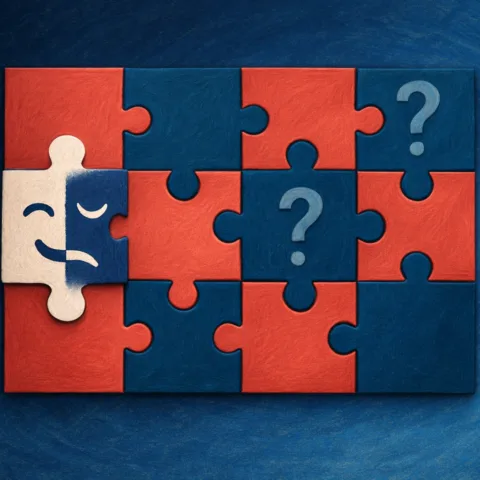

    Journey #1: The Diagnosis of Bipolar Disorder

    My diagnostic journey began at 21. Well, technically, I saw a psychologist when I was 6. After only a few sessions studying me, she concluded that nothing could be done with me and the follow-up stopped. Stellar professional work, you might say (sarcasm). I still remember refusing to follow her instructions because they seemed absurd to me. At 16 and a half, I gradually developed grandiose ideas, I chained projects together, I drew, I wrote, my grades dropped. That turned out to be my first manic episode, sprinkled with a touch of psychosis. It was also the beginning of a long epic.

    Hypomania: Symptoms, Lived Experience, and Interactions with Autism

    To begin my series of articles on bipolar disorder episodes, I thought about presenting them to you in chronological order, reflecting their cycle. Hypomania is the first euphoric (or irritable) phase of this condition. It sometimes progresses either into mania (in bipolar disorder type I) or into depression. Hypomania — which can manifest in two drastically different ways — is what we’ll focus on in this article. I’ve experienced a large number of hypomanic episodes that turned me into a production machine, a walking factory.

    My rituals (and what they are)

    After explaining routines and talking about my own, it’s clear that I need to turn my attention to rituals. Rituals, like routines, transform a world perceived as unpredictable into something stable and manageable. To recap, the key difference between these two concepts is that a routine is a sequence of regular, organized actions or gestures, while a ritual carries symbolic, emotional, or identity-related meaning.

    My routines (and what they are)

    Routines are part of the diagnostic criteria for ASD—autism. They involve sequences of repetitive actions, gestures, or behaviors. Behind this somewhat dull medical criterion lies a daily reality for many autistic people who experience it in a much more vivid way. Each repeated gesture is in fact a compass for the autistic person, guiding their day. Routines provide them with structure and organization.