
• Français
  • English
  • mania

    When Everything Becomes Funny: Humor During a Manic Episode

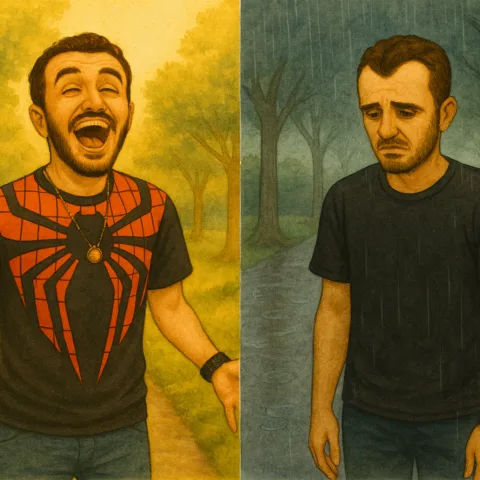
    I recently wrote about humor in autism. What becomes particularly fascinating is seeing how a manic episode can transform the sense of humor of people with bipolar disorder, including those who are autistic. Mania can profoundly change behavior, including the way someone laughs and what they find funny. For some people, it brings intense euphoria, disinhibition, and racing thoughts, completely altering their perception of what is amusing. The relationship between mania and humor can therefore become especially striking.
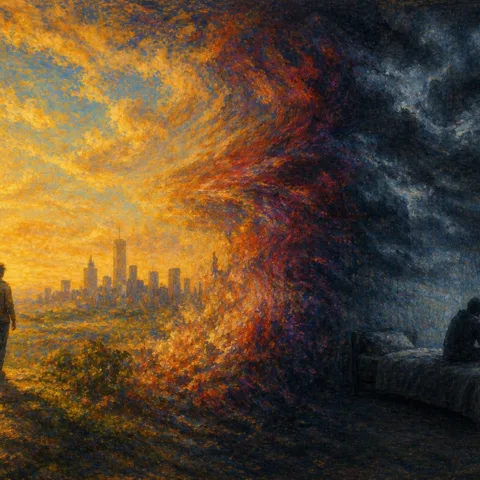

    Manic graphorrhea: writing as I breathe

    No Comments

    Manic graphorrhea is a compulsion to write that can occur during a manic or hypomanic episode to someone affected by bipolar disorder. Thoughts flow so quickly that it can become difficult, or even impossible, to stop writing. For some people with bipolar disorder, this acceleration of thought turns writing into an almost vital need. I know that feeling well: during my manic episodes, I sometimes felt as though I was writing as naturally as I was breathing.

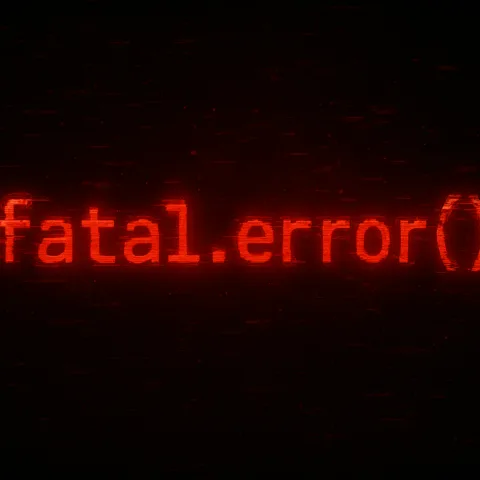
    fatal.error(): account of a mixed episode

    No Comments

    Less discussed in the literature yet experienced by 40% of bipolar individuals at least once in their lives, the mixed episode can sometimes appear without warning but often between a manic episode and a depressive episode. I discussed in a dedicated article how this episode presents both (hypo)manic and depressive characteristics. Here, I recount my experience of a mixed episode that was devastating.

    Mixed episode: Symptoms, Lived Experience, and Interactions with Autism

    No Comments

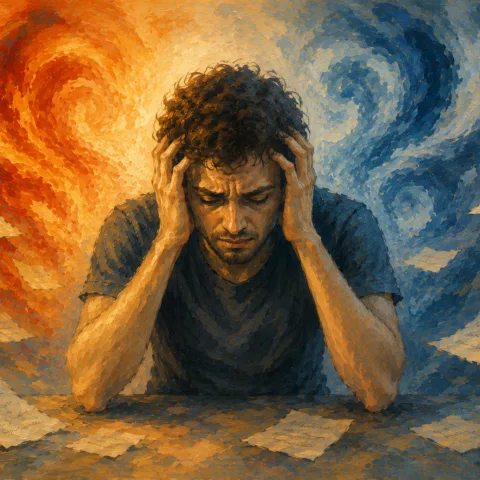
    The mixed episode is probably the most terrifying episode of bipolar disorder. Some will tell you that if they put themselves in the gravest danger, the mixed episode was likely the precursor. Less than half of people with bipolar disorder will experience such an episode at least once in their lifetime. The accounts and testimonies of those affected are chilling. Long considered an episode specific to bipolar disorder type I, it is now known that type II is concerned too.

    Mania: Symptoms, Lived Experience, and Interactions with Autism

    No Comments

    The manic episode, for all people with bipolar type I, often is the logical continuation of the hypomanic episode. Sleep is drastically reduced and energy multiplies. The person seems to behave more and more abnormally. While hypomania can go more unnoticed, the manic episode completely alters the functioning of the bipolar person. The individual appears extremely euphoric, laughs very easily, makes puns, jumps from one idea to another, multiplies projects, has grandiose ideas, and in the most severe cases, may decompensate (psychosis).

    Bipolar Disorder: Understanding it and Living with it

    No Comments

    After having explored autism in detail in my previous articles, it is now time to talk about my bipolar episodes, following the chronological order in which my cycles evolve. When people think of bipolar disorder, they often imagine someone who is sometimes sad, sometimes happy — someone who simply has mood swings (the definition of a “moody” person, essentially). The reality is far more complex. With bipolar disorder, a person oscillates between euphoric episodes and depressive ones. It is a very serious disorder that requires regular medical care to allow the affected person to function.

    Caught in the rapid cycling of bipolar disorder

    No Comments

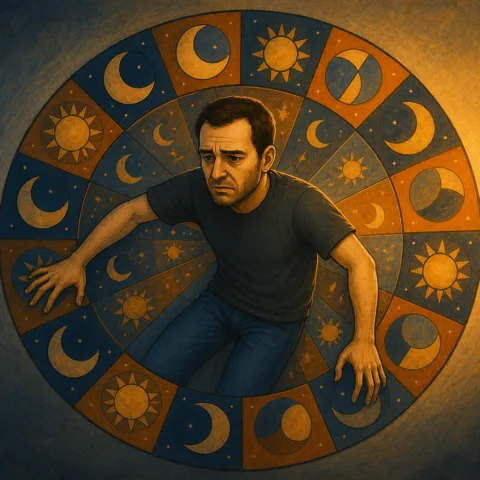
    Rapid cycling in bipolar disorder remained a blind spot for me for a long time. Yet the signs had been there all along. I wrote many of the articles on this blog within just a few days. A month earlier, I had written two books in less than two weeks. Before that, in March 2025, I went through an especially stimulating period during which I was socializing from morning until night. In January, the same pattern had already occurred. The common thread? Each time, it started with a hypomanic episode that eventually progressed into a manic episode. In September 2025, my psychiatrist confirmed that my bipolar disorder had entered a rapid-cycling pattern. That was when I realized how little I actually knew about this form of bipolar disorder, despite it being associated with a more severe course and often a more challenging treatment.