Florent

illusion.load(): an account of a hypomanic episode

No Comments

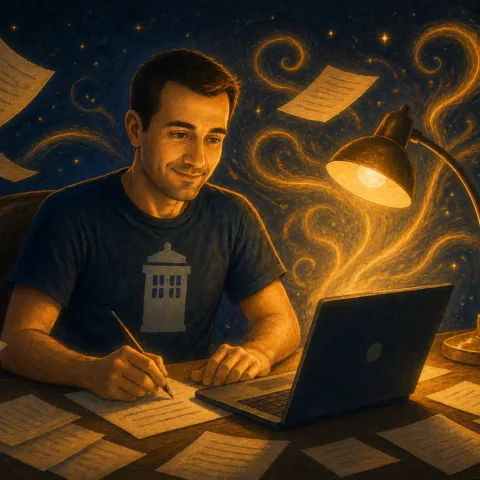
Following my articles on episodes of bipolar disorder, it is time to illustrate them with a vivid and raw narrative. This article will be the first in a chronological series recounting my lived experience of the bipolar cycles that haunt my life. Hypomania may seem appealing, but it represents my first danger. It makes me productive, yet it is also the earliest warning sign. Because hypomania often gives rise to a succession of phases leading to an almost inevitable final crash.

Depression: symptoms, lived experience, and interactions with autism

No Comments

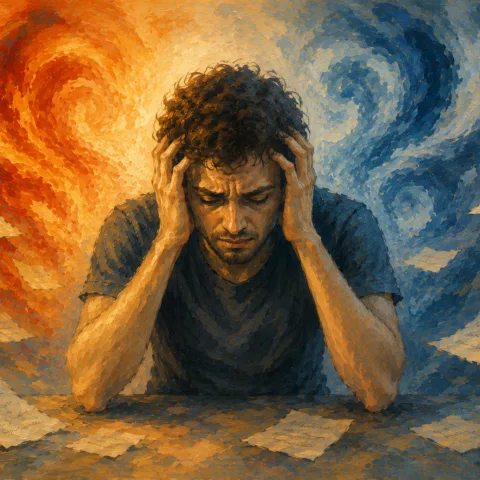
After the (hypo)manic episode or the mixed episode, depression arrives. Almost systematically. And the higher one flies, the more violent the final crash. The depressive episode is the bipolar episode that speaks most clearly even to those unfamiliar with the disorder. Literature and science have addressed it in thousands of articles. It is better known simply as depression. It is an integral part of bipolar disorder and haunts the lives of those who suffer from it.

Mixed episode: symptoms, lived experience, and interactions with autism

No Comments

The mixed episode is probably the most terrifying episode of bipolar disorder. Some will tell you that if they put themselves in the gravest danger, the mixed episode was likely the precursor. Less than half of people with bipolar disorder will experience such an episode at least once in their lifetime. The accounts and testimonies of those affected are chilling. Long considered an episode specific to bipolar disorder type I, it is now known that type II is concerned too.

Pause — Autisticisms #2: cinema & absurd rigor

No Comments

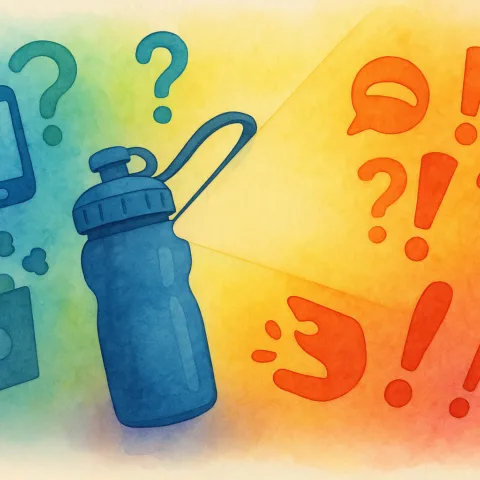
A short Autisticism pause to evoke this time a rocambolesque situation linked to my rigidity regarding rules—especially those in movie theaters—which are nevertheless displayed in huge letters with icons on a blue background in the UGC cinemas I go to, just before the film starts. Namely: avoid talking during the film, put your phone in airplane mode. For some people, these rules are apparently mere suggestions. Some of them did not see the scene I’m about to recount coming.

Mania: symptoms, lived experience, and interactions with autism

No Comments

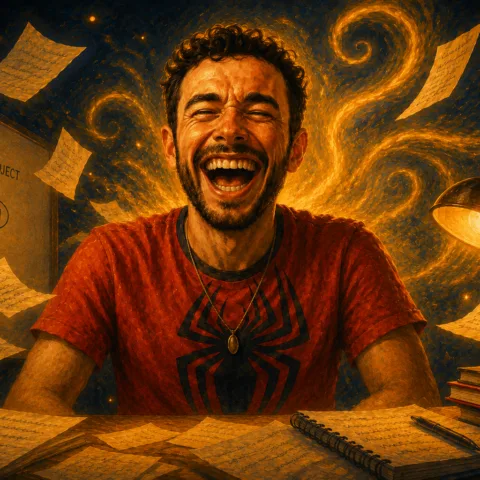
The manic episode, for all people with bipolar type I, often is the logical continuation of the hypomanic episode. Sleep is drastically reduced and energy multiplies. The person seems to behave more and more abnormally. While hypomania can go more unnoticed, the manic episode completely alters the functioning of the bipolar person. The individual appears extremely euphoric, laughs very easily, makes puns, jumps from one idea to another, multiplies projects, has grandiose ideas, and in the most severe cases, may decompensate (psychosis).

Hypomania: symptoms, lived experience, and interactions with autism

No Comments

To begin my series of articles on bipolar disorder episodes, I thought about presenting them to you in chronological order, reflecting their cycle. Hypomania is the first euphoric (or irritable) phase of this condition. It sometimes progresses either into a manic episode (in bipolar disorder type I) or into depression. Hypomania — which can manifest in two drastically different ways — is what we’ll focus on in this article. I’ve experienced a large number of hypomanic episodes that turned me into a production machine, a walking factory.

Neurodiversity: definition, origins, and issues

No Comments

Judy Singer, an autistic sociologist, gave birth to the concept of neurodiversity in the 1990s. The idea: acknowledging that cognitive diversity is part of human diversity, just like social, cultural, or even biological diversity. Initially focused on autism, it later expanded to include other conditions and, eventually, other mental disorders. Today, this movement has had a strong impact on the autistic community and on public perception of autism, but it is also subject to controversy.

Interludes: Cambodia #5 — traveling the way I think

No Comments

It’s now been two weeks since I came back from my trip to Cambodia with my group of friends. In the previous installment, I slightly veered off course, diving into social reflections sparked by a healthy dose of well-timed (or poorly timed) humor. All of it stemmed from one simple context: a trip that left almost no room for privacy. We did everything together. Today, it’s time to take a step back and look at this strange, chaotic, unforgettable vacation.

Pause — Autisticisms #1: punctuality & idioms

No Comments

Over the years, I’ve collected a whole range of quirks — the kind that never show up in diagnostic manuals, yet quietly shape my everyday life. They’ve become part of how I make sense of my autism, and in a way, they’ve even helped confirm that the diagnosis fits. So here starts this series: small autistic misadventures, sometimes ridiculous, sometimes funny, always distinctly mine. I call them my autisticisms — a word I came up with to name these wonderfully awkward, unmistakably autistic oddities… the ones that make me smile (and occasionally other people too).