

masking

Autistic masking: definition, signs, and consequences

No Comments

Masking, sometimes called social camouflaging, consists, for autistic people, in compensating for their difficulties across every affected area of their lives in order to blend more easily into society. In practice, it means making their difficulties—and therefore their differences—invisible. A significant number of autistic people rely on these mechanisms—plural, because there are many of them. Often from a young age. Sometimes from early childhood. That was my case.
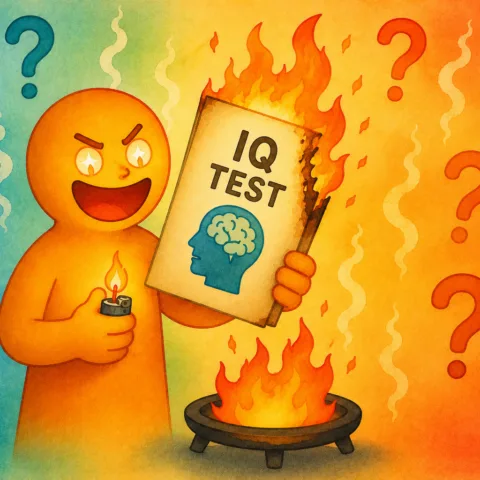

Pause — Autisticisms #4: the day I burned my IQ test

No Comments

I’ve explained several times on this blog how capable I am of treating a rule like a sacred creed. One of those rules came from the countless times my father scolded me for losing important documents. “Scan it”, “How many times have I told you to scan things?”, “You’ll have to learn to scan your documents.” And countless variations of the same message eventually got through to me.

Autistic masking: when the mask leads to burnout

No Comments

Many autistic people spend years appearing to function normally in the eyes of others. Yet this apparent normality often relies on an invisible effort: autistic masking, also known as social camouflaging. This mask can sometimes help a person adapt more easily to the outside world, but it comes with an often underestimated cost: chronic fatigue, overload, and sometimes autistic burnout. In this article, I explain what masking really is, why it appears so early for some people, and how it can eventually become a trap.