July 2026

When professionals get autism wrong: a critical look at common misconceptions

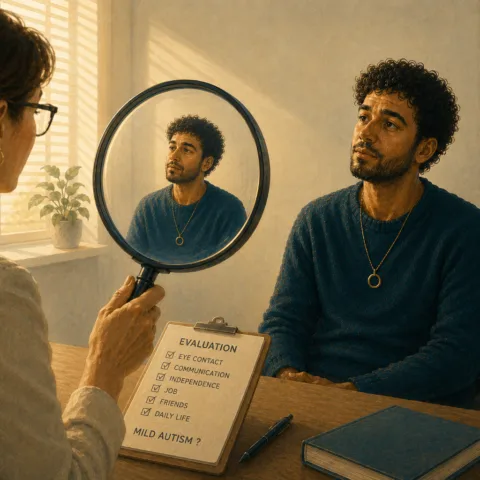
Outdated ideas about autism remain widespread, including among some professionals. Recently, a psychologist subjected me to an interrogation that dismissed my lived experience as an autistic person by comparing me with “severely” autistic people—in her own words. What she said was particularly violent. For nearly thirty minutes, she questioned my diagnosis and my experience using a very dubious line of reasoning built on a whole collection of misconceptions. I am going to examine them in this article.

Autistic masking: definition, signs, and consequences

No Comments

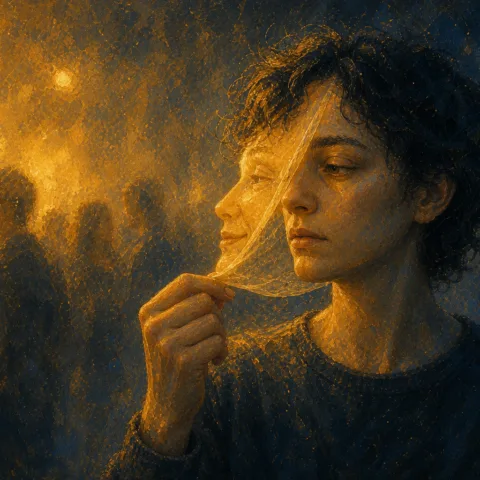
Masking, sometimes called social camouflaging, consists, for autistic people, in compensating for their difficulties across every affected area of their lives in order to blend more easily into society. In practice, it means making their difficulties—and therefore their differences—invisible. A significant number of autistic people rely on these mechanisms—plural, because there are many of them. Often from a young age. Sometimes from early childhood. That was my case.

I’m autistic, I have bipolar disorder: why the words matter

No Comments

Should you say “I’m autistic” or “I have autism spectrum disorder”? And should you say “I’m bipolar” or “I have bipolar disorder”? These questions regularly spark debate. Yet over the years, the way I talk about both has changed completely. It evolved alongside the way I came to see them. For years, I said I was bipolar. Today, I say I have bipolar disorder. A subtle but important difference. Likewise, I rarely say I have autism spectrum disorder (ASD). I’m autistic. Another subtle distinction. Behind these different ways of speaking lies a fundamentally different way of viewing two realities: a psychiatric illness and a neurodevelopmental condition. For me, this shift happened gradually and almost naturally.

When everything becomes funny: humor during a manic episode

No Comments

I recently wrote about humor in autism. What becomes particularly fascinating is seeing how a manic episode can transform the sense of humor of people with bipolar disorder, including those who are autistic. Mania can profoundly change behavior, including the way someone laughs and what they find funny. For some people, it brings intense euphoria, disinhibition, and racing thoughts, completely altering their perception of what is amusing. The relationship between mania and humor can therefore become especially striking.