• Français
  • English
  • asd

    My sunglasses against sensory noise

    No Comments

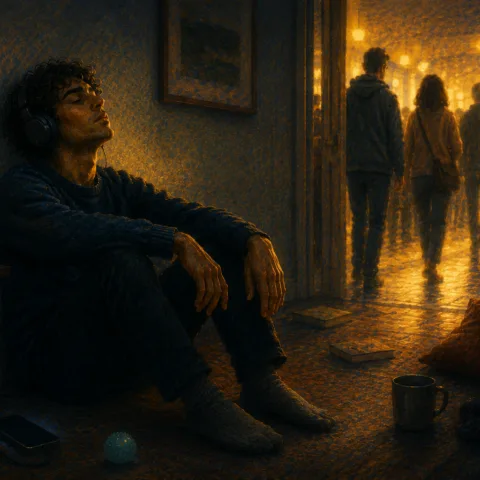
    Recently, I went to the MDPH (French disability support and benefits office) in a region where a cyberattack had wiped out all their electronic files. The waiting room was crowded and loud. Instinctively, I put my sunglasses back on. My caseworker looked surprised, but my mother burst out laughing—she immediately understood what was happening. It was compensation. I needed to be able to hear my number being called and then hear the person at the desk. Noise-canceling headphones weren’t an option. So instead, I used my sunglasses to reduce—not the sound itself—but the overall sensory load my brain was processing.

    My stims and stereotypies (and what they are)

    No Comments

    Stimming, often simply called stims in the autistic community, refers to repetitive movements or sounds that may look like tics to the untrained eye. Yet stims and tics are very different. Stims are regular, repetitive, rhythmic, and seem to serve no purpose. “Seem” is the key word: they actually play an essential role in sensory and emotional regulation for autistic people. In short, they are essential to their well-being.

    New: a glossary of autistic jargon

    No Comments

    When talking about autism, we often use terms that don’t usually appear in everyday language. Most of them aren’t even defined in dictionaries. Within the autistic community, these words make communication easier — they give language to experiences that otherwise have no name. However, this vocabulary can seem confusing or obscure to non-autistic people, as well as to autistic individuals who are undiagnosed or newly diagnosed.

    The invisible senses

    No Comments

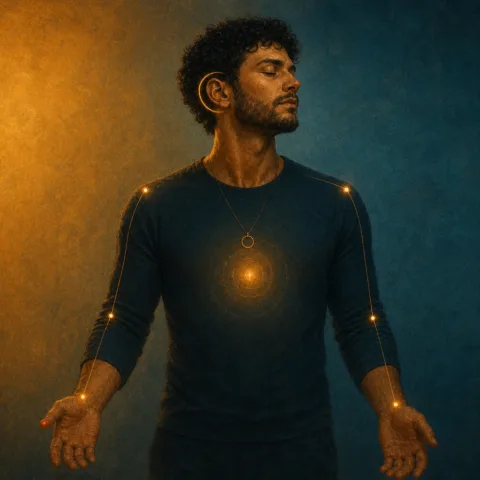
    I’ve already talked about the five main senses (hearing, sight, touch, smell, taste), but the human body has several others — most notably four: the vestibular system, proprioception, nociception, and thermoception. The last one you know well: it’s the reason you turn into an ice cube in winter and a boiling pot in summer. In autistic people, these senses are often altered in the same way as the five primary ones. Yet these so-called invisible senses shape our everyday experience. When they are atypical — as is often the case in autism — they can turn ordinary situations into a full emotional and sensory rollercoaster.

    My disrupted sensory world: caught between too much and not enough

    No Comments

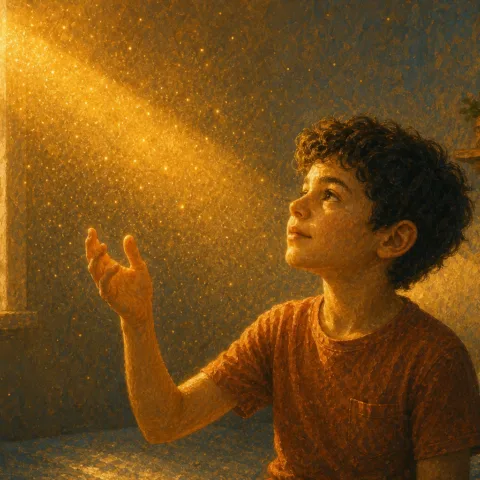
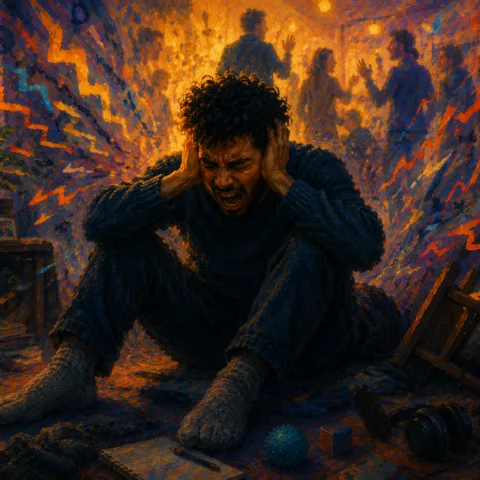
    One of my oldest memories is watching tiny floating dust particles in the light of my bedroom window. That sight fascinated me. And yet, for most of my life, my sensory sensitivities have been my greatest struggle. They were the main trigger for my autistic meltdowns. When I experienced my first autistic burnout, my sensory hypersensitivities intensified to the point where I described them as “broken.” Things that used to bother me mildly — or things I had adapted to — suddenly became unbearable. Since sensory sensitivities are a core part of the diagnostic criteria and a major aspect of autistic life, it feels important to explain them and share my experience.

    My rituals (and what they are)

    No Comments

    After explaining routines and talking about my own, it’s clear that I need to turn my attention to rituals. Rituals, like routines, transform a world perceived as unpredictable into something stable and manageable. To recap, the key difference between these two concepts is that a routine is a sequence of regular, organized actions or gestures, while a ritual carries symbolic, emotional, or identity-related meaning.

    My routines (and what they are)

    No Comments

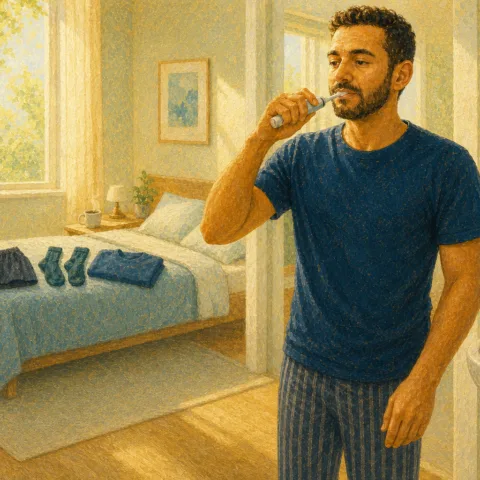
    Routines are part of the diagnostic criteria for ASD—autism. They involve sequences of repetitive actions, gestures, or behaviors. Behind this somewhat dull medical criterion lies a daily reality for many autistic people who experience it in a much more vivid way. Each repeated gesture is in fact a compass for the autistic person, guiding their day. Routines provide them with structure and organization.

    The blog’s genesis

    No Comments

    I’m Flo. I recently turned 29, and the path to where I am now hasn’t been easy. After years of researching autism, finally accepting it, and spending almost a year reflecting on it, I decided to start a blog about the autism and bipolar disorder I was diagnosed with.